Getting Out of Black Hair Color: Complete Guide, Prices and Real Photos (2026)

🖤➡️🤎 Going from Black Hair Color 2026: What You Need to Know
- What we're talking about: This is about removing built-up artificial pigment (color stripping), not just dyeing over it. The goal is getting a clean base for toning into lighter shades.
- How it's done: The gentlest method is acid-based color remover (breaks down dye without damaging structure). Aggressive option is alkaline remover (bleach powder). The aesthetic approach is color stretching (Airtouch/Balayage) for smooth transitions.
- What to actually expect: Going from black to platinum blonde in one session is a dangerous myth. The realistic goal for 1 visit is chocolate, caramel, or dark blonde (level 6-7).
- Time and cost: This falls under complex procedures (5 to 8 hours). Price runs 2-3 times higher than regular coloring because of product consumption and stylist time.
- Safety check: A mandatory test strand before starting work. After color removal, hair needs professional reconstruction (lipid restoration).
You've been dyeing your hair black for years, and now you want caramel chocolate or even light blonde? We get it. Wanting a change is completely normal. But along with the dream comes the fear: "What if my hair turns into straw?", "What if it comes out orange instead of brown?".
Here's what you need to understand right away: going from black to blonde in one visit without losing hair quality is basically impossible. But getting to chocolate, chestnut, or ash brown? Totally doable if you work with an experienced colorist and don't rush things.
We analyzed stylist profiles on Barb.pro to tell you which methods actually work and what you should avoid. This guide will help you prep for your consultation and dodge the typical mistakes.
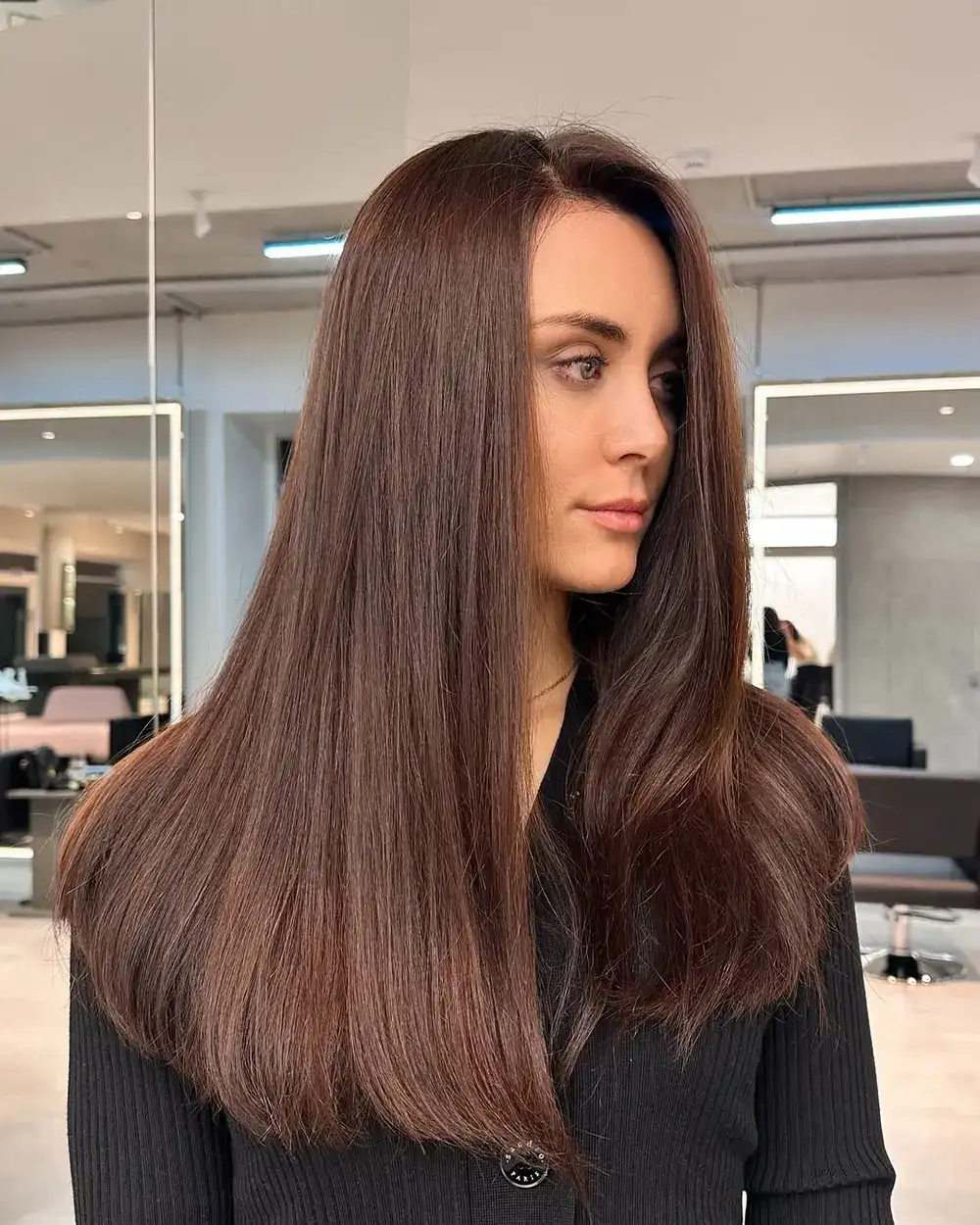
@irina__todua
Why is removing black hair color so complicated?
To understand why stripping black dye isn't the same as just coloring over it, you need to know how hair pigmentation actually works.
Think of your hair strand like a sponge. When you dye your hair dark, artificial pigment goes deep into the structure and gets stuck there. With each coloring session, more pigment accumulates in layers. That's exactly why hair that's been dyed black for years is way harder to remove than hair that's only been colored for a few months.
What's "underlying pigment"? When a stylist starts removing black pigment, your hair doesn't immediately turn light. First it goes through what's called "underlying pigments" – red, orange, yellow. This is the natural lightening process, which is why after the first color removal many clients see ginger or copper tones in the mirror instead of the brown they wanted. This isn't a stylist mistake – it's color physics.
Understanding this process helps you realistically assess how much time and how many sessions you'll need to get your desired result.
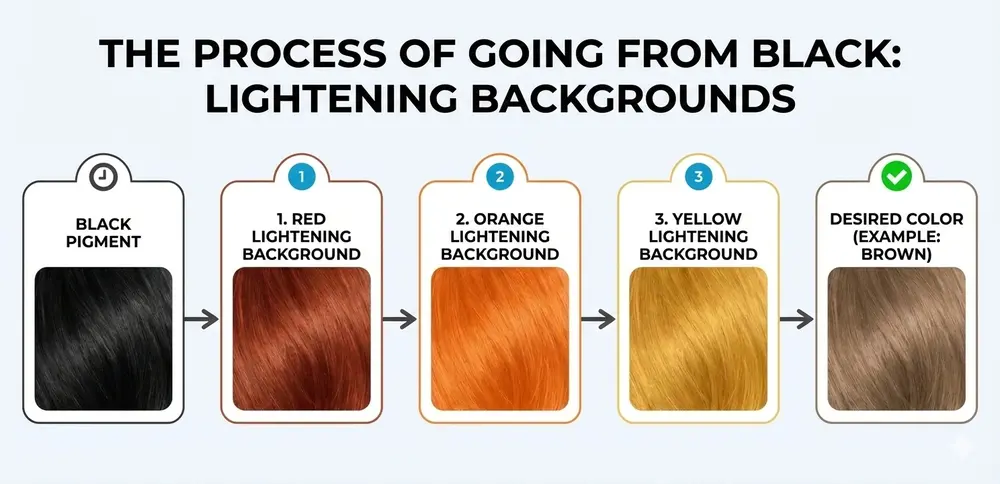
Main methods for removing dark hair color
There are several proven ways to get rid of black pigment. Each has its specifics, and the method choice depends on hair condition, desired result, and budget. Let's look at the main approaches professional colorists use.
Acid Color Remover (Color Stripping)
Color stripping is the gentlest way to remove artificial pigment. Acid-based color remover works by breaking the bonds between dye molecules without touching your natural hair pigment. It basically "pulls out" the artificial color while leaving hair structure relatively undamaged.
Benefits of acid color remover:
- Less traumatic for hair compared to powder-based methods
- Preserves natural hair structure
- Works for hair with high porosity
- Can be done multiple times in one session
Downsides:
- Might not handle extremely stubborn or years-old black dye
- Risk of pigment return if the removal isn't completed properly
- Requires several sessions for significant lightening
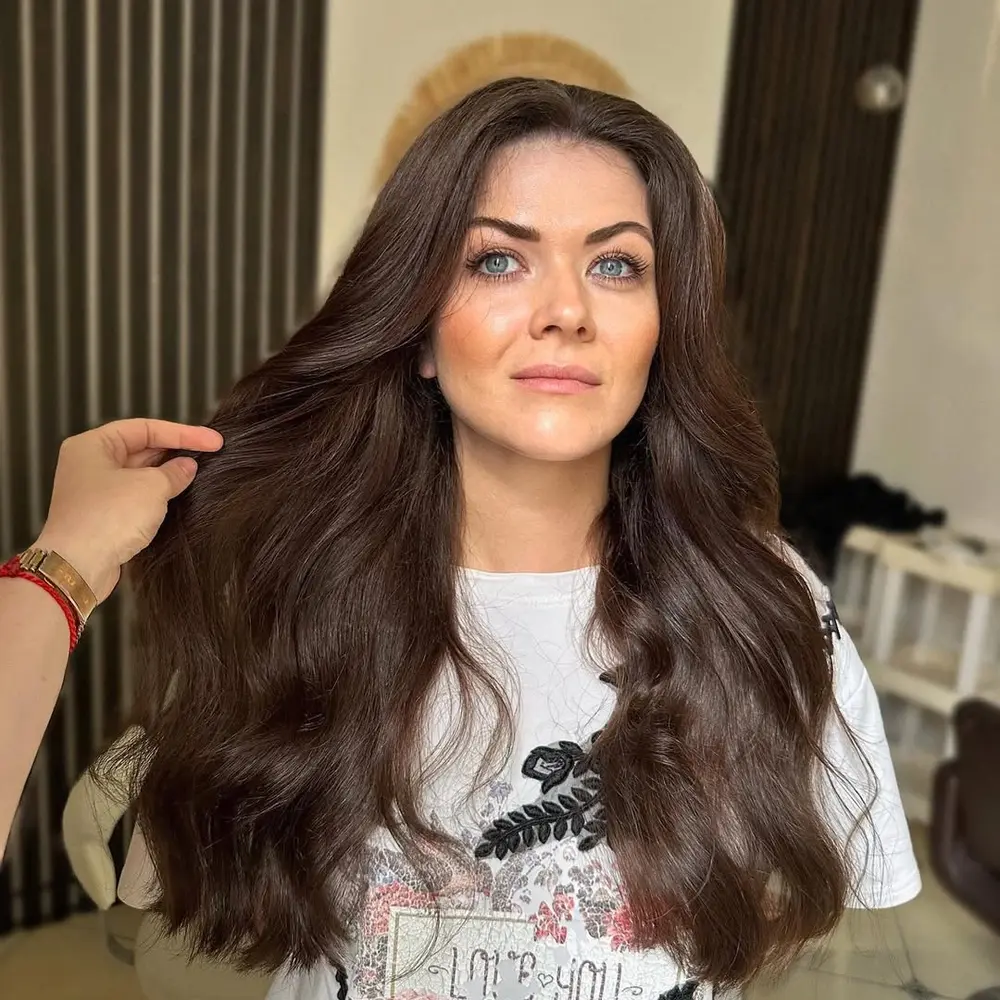
@hairby_sveta
Alkaline Remover (Bleach Bath)
When acid color remover doesn't give you the result you want, colorists turn to a stronger method – bleach bath using lightening powder and low-volume developer. This lightening method gets used for super "packed" pigment, when hair's been dyed black for many years.
Important to understand the risks: alkaline remover works more aggressively – it doesn't just remove artificial pigment, it also affects hair structure. After this procedure, hair needs intensive restoration and reconstruction. An experienced stylist will definitely warn you about this and suggest an aftercare plan.
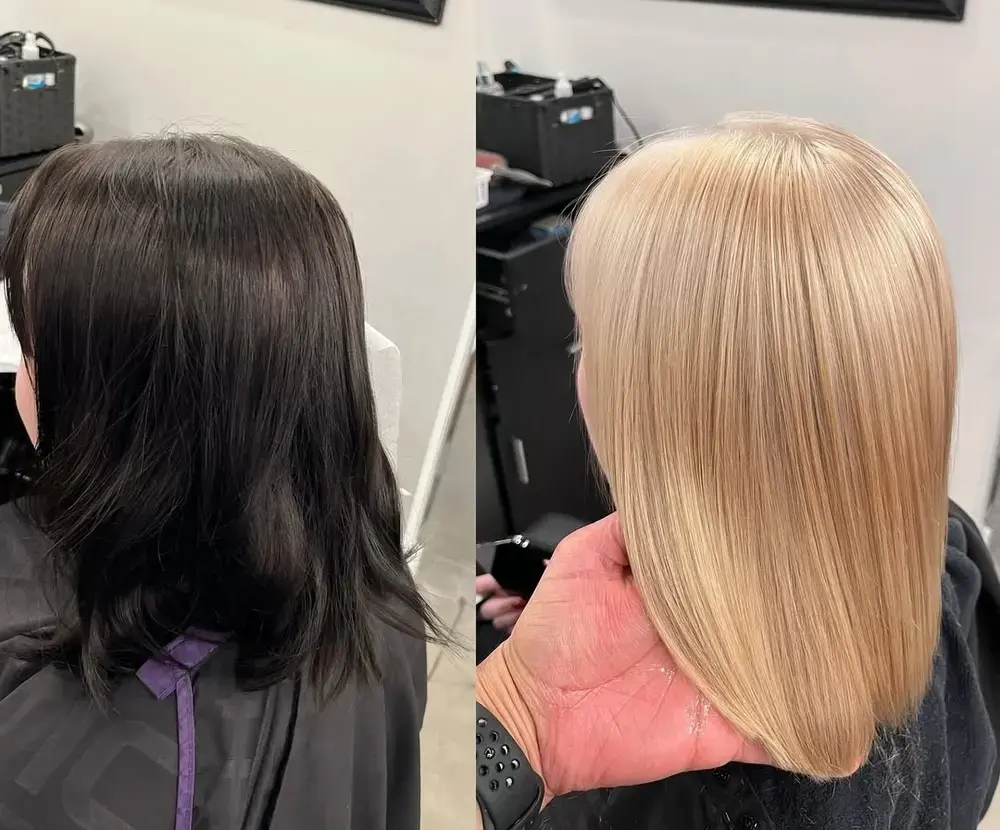
@hair_by_edgar
Color Stretching Techniques (Smooth Transition)
If you're not ready for drastic changes or don't want to constantly touch up roots – color stretching techniques are your perfect solution. Balayage, shatush, Airtouch – all these methods create a smooth transition from dark roots to lighter ends.
Why this is the best option for many people:
- No need to color roots every 3-4 weeks
- Regrowth looks natural and stylish
- Less stress on hair – not all of it gets lightened
- You can gradually transition to a lighter tone over several visits
| Characteristic | Acid Color Remover | Alkaline Lightening (Powder) |
|---|---|---|
| How it works | Breaks down artificial pigment, leaves natural alone | Burns out both artificial and natural pigment |
| Damage level | Low (hair stays healthy) | High (damages structure) |
| Result per session | 1-2 levels (to ginger/chocolate) | 3-5 levels (to yellow/blonde) |
| Best for | Going to ash/brown shades | Going to full blonde |
Real scenarios: what to actually expect
Let's look at the most common requests and realistic expectations for each one.
Going from black hair to brown or chocolate
This is the safest and most realistic option. Usually one session lasting 3-5 hours is enough. Hair stays in good condition, and the result looks natural. Perfect for those who want change without risks.

@yana_bentobbal
Going from black to ash blonde
Requires lifting 4-5 levels, which puts serious stress on hair. You'll typically need 2-3 visits with 2-4 weeks between them. Intensive care is mandatory between sessions. The result is achievable, but you need patience.
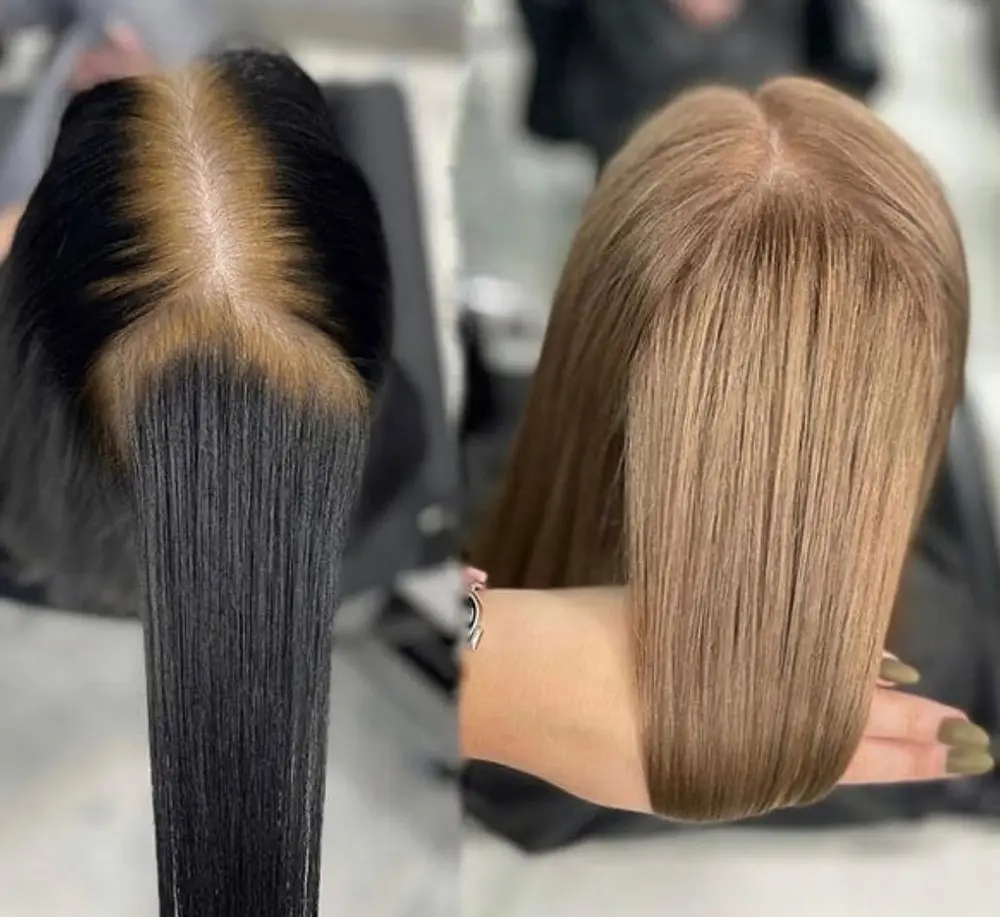
@elena.burke_ie
Going from black to platinum blonde
This is the "major leagues" of color work and complex coloring. The process is long (3-4 months to a year), expensive, and risky. Test strand is mandatory before starting. Not every hair type can handle this kind of lightening – a stylist might refuse if they see your hair won't survive it. And that would be the right call.
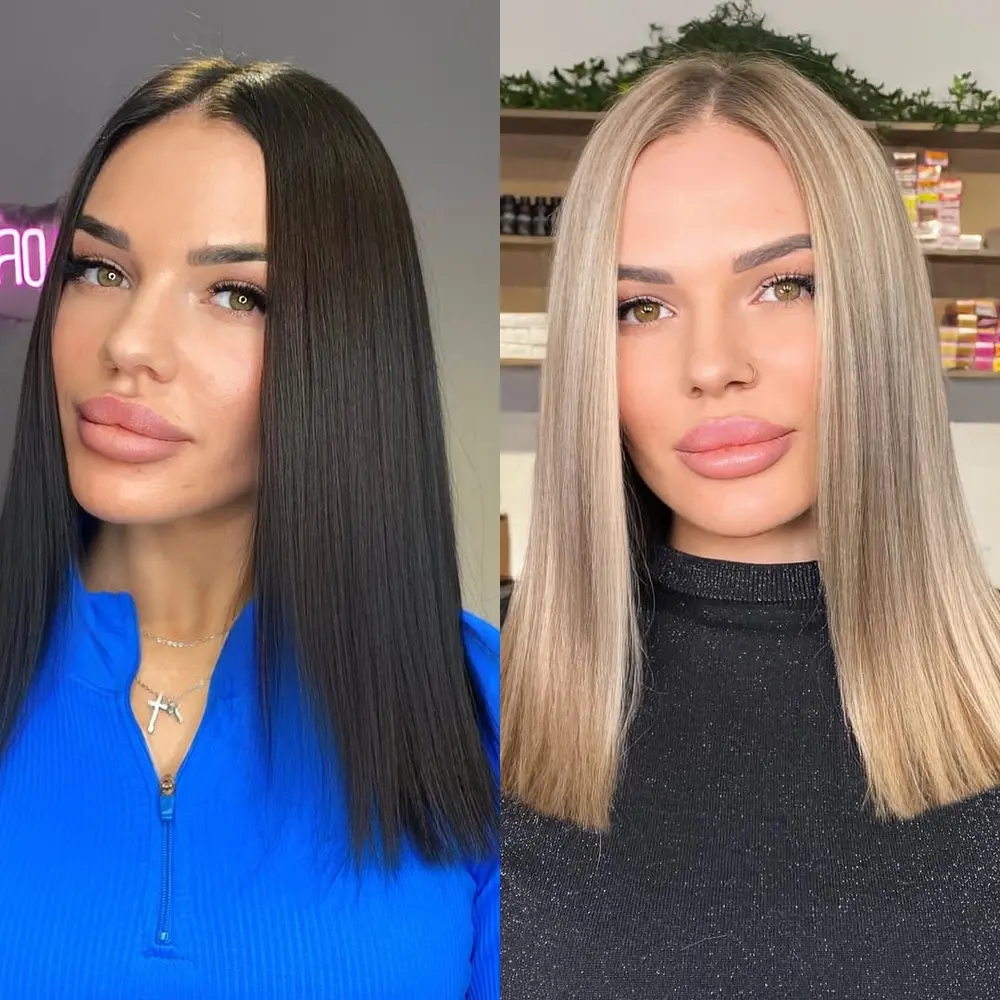
@volgin_colorist
Salon procedure steps
Quality black color removal is always a multi-step process. Here's what it typically looks like at a professional salon:
1. Consultation and test strand. This is non-negotiable! The stylist assesses hair condition, coloring history, determines porosity level, and does a test strand on a hidden section. The test strand shows how your hair reacts to products and what result is actually achievable.
2. Color stripping (applying remover). Depending on hair condition, the stylist chooses acid or alkaline remover. The process might repeat several times.
3. Cleaning the canvas. If needed, lightening powder with low-volume developer is used to remove remaining pigment.
4. Pre-pigmentation. After pigment removal, hair becomes "empty". At this stage it gets filled with pigment so the toning goes on evenly and doesn't wash out in a week.
5. Toning. Final stage – applying your desired shade. The stylist creates a formula considering underlying pigment and hair condition.

@qrozteam
Common mistakes: why DIY is a bad idea
The temptation to save money and do color removal yourself is understandable, but home experiment results rarely turn out well. Here's why.
Drugstore color removers
Store-bought products have standardized formulas that don't account for your hair's individual characteristics. Results are often patchy: where hair is more porous, lightening is stronger; where it's denser, pigment stays. Fixing this mess at a salon costs more than doing it right from the start.
"Natural methods": kefir, baking soda, honey
The internet is full of advice about "natural" ways to remove dye. Truth is, kefir or honey might slightly lighten natural hair, but they're powerless against artificial black pigment. Baking soda can seriously damage hair structure because of its alkalinity.
When might a stylist refuse?
If during the test strand your hair becomes rubbery, starts breaking, or "falls apart" – that's a signal the procedure can't be done. A professional colorist refuses not because they don't want to make money, but because they care about your hair health. In that case, it's better to wait, do a restoration course, and try later.
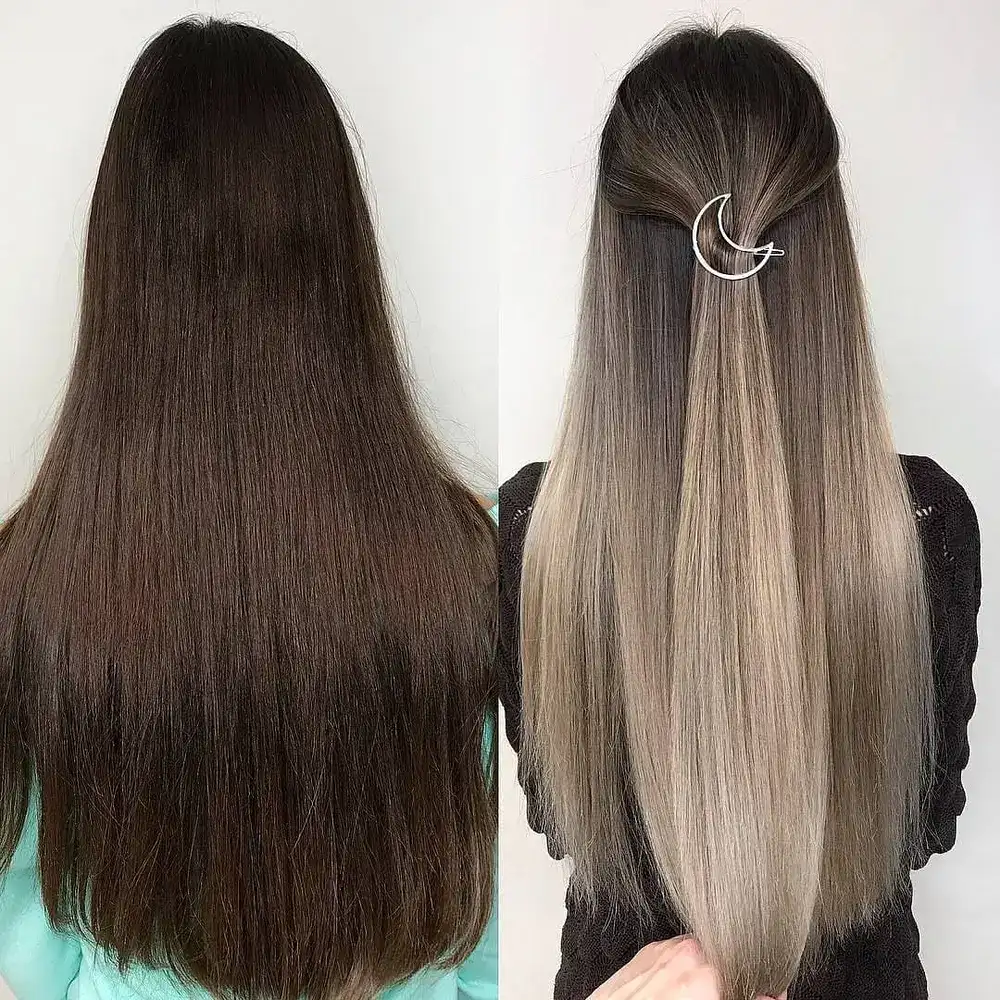
@lab_haircolor
Hair care after black color removal
After pigment removal, hair needs special attention. During stripping and lightening, not just artificial pigments get washed out – natural lipids and proteins do too. Hair becomes "empty" and porous.
What hair needs after the procedure:
- Lipid and protein masks – minimum 1-2 times per week for the first month
- Salon reconstruction treatments – botox, keratin, or molecular restoration
- Sulfate-free shampoos – so you don't strip color and further dry out hair
- Heat protection – mandatory with any heat styling
- Minimal hot tools – give your hair a break from blow dryers and flat irons
When can you color again?
At minimum 2-3 weeks after the procedure, but better to wait a month. Hair needs recovery time. If color washed out or unwanted yellow appeared – use toning products for home care, don't rush into recoloring.
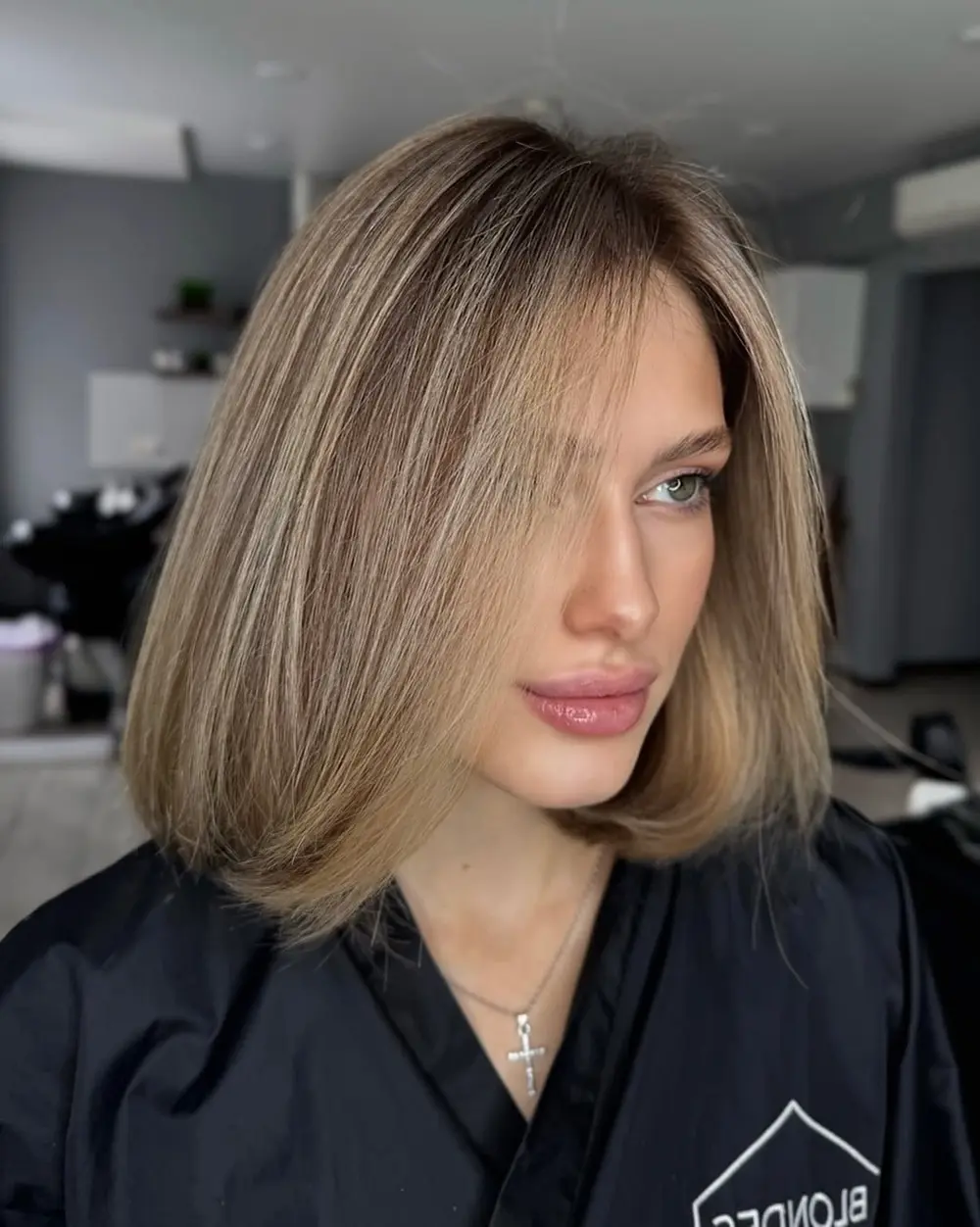
@blondes.house
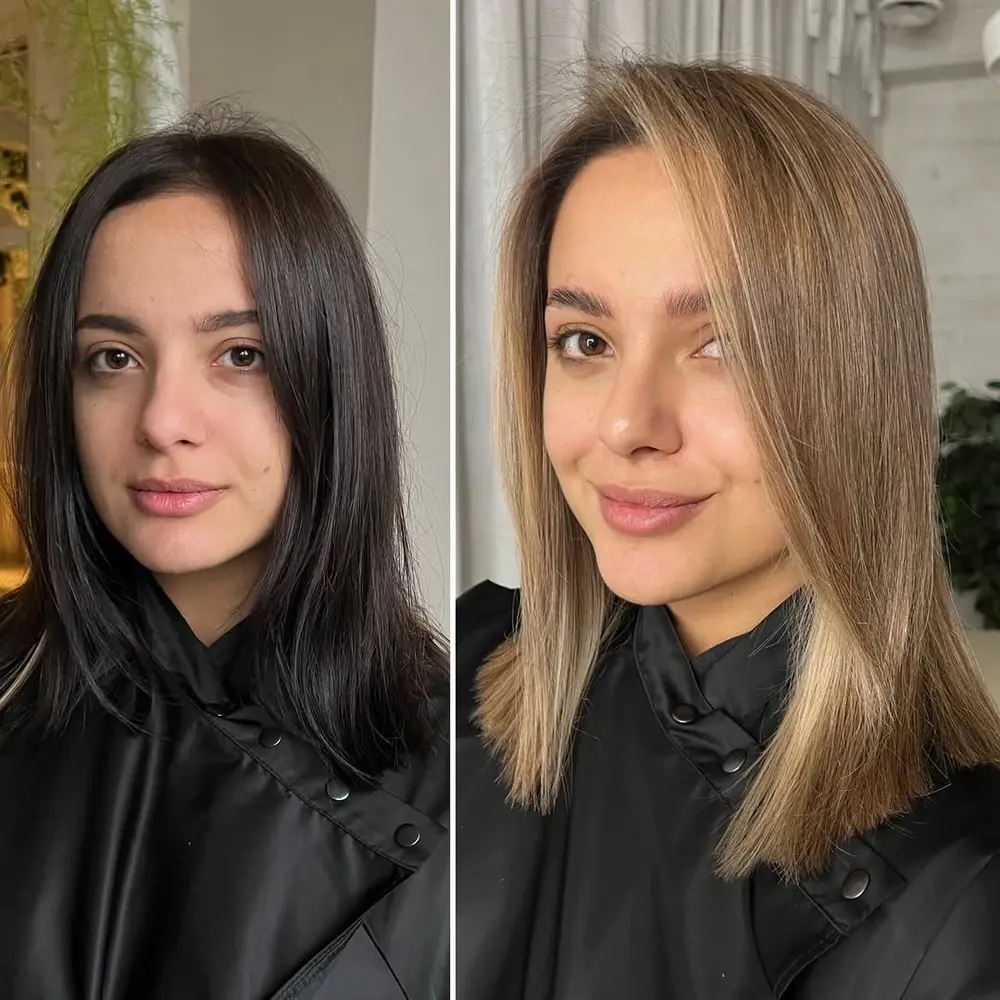
Before and after photos
The best way to understand what result you can actually get is looking at professional colorist work. On Barb.pro, stylists post client photos before and after black color removal, so you can assess their skill level before booking.
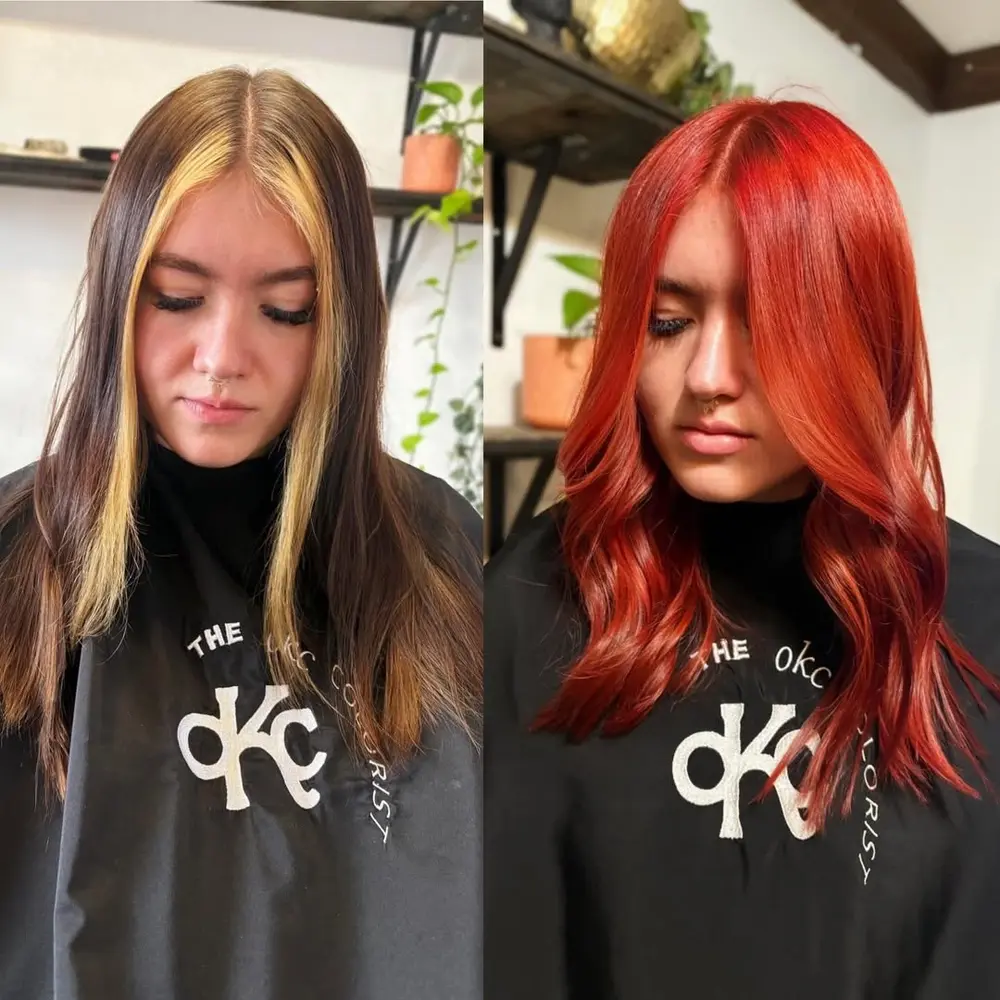
@theokccolorist
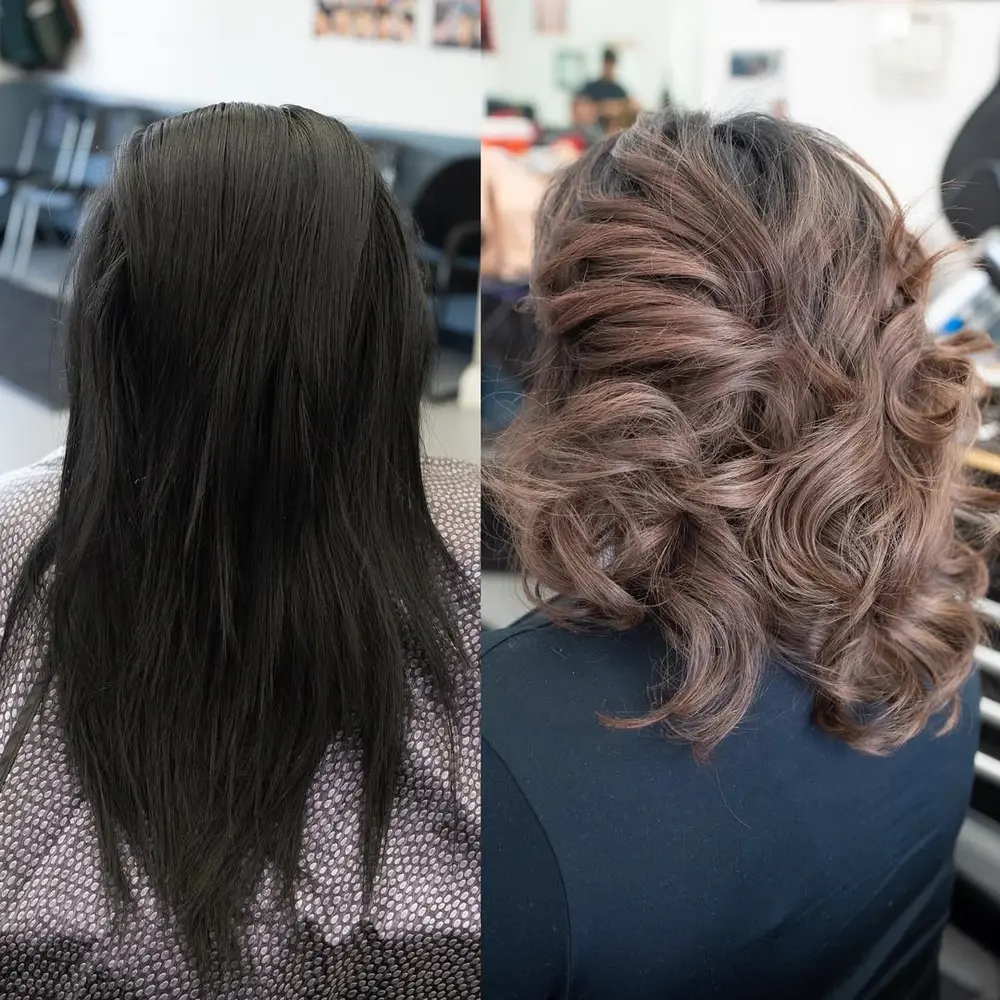
@beautybyjorge
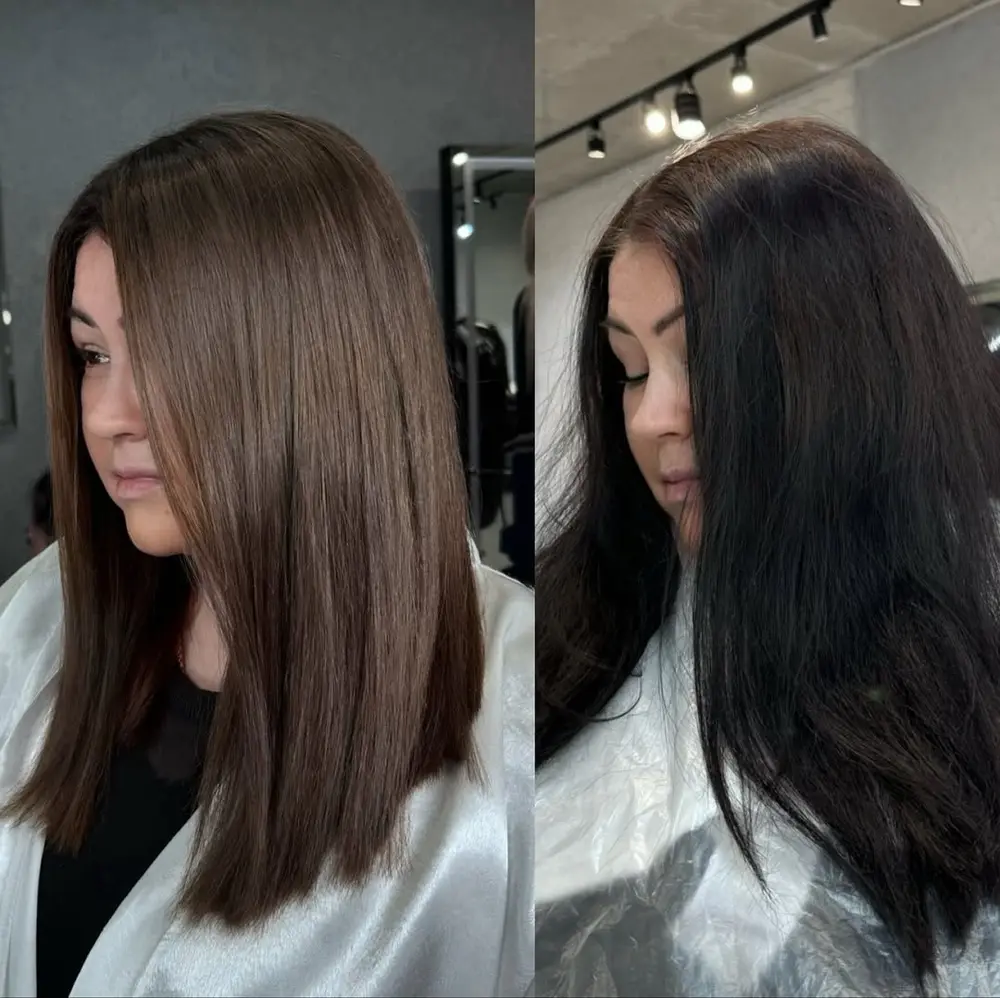
@viktoria_talmach

@oiisash
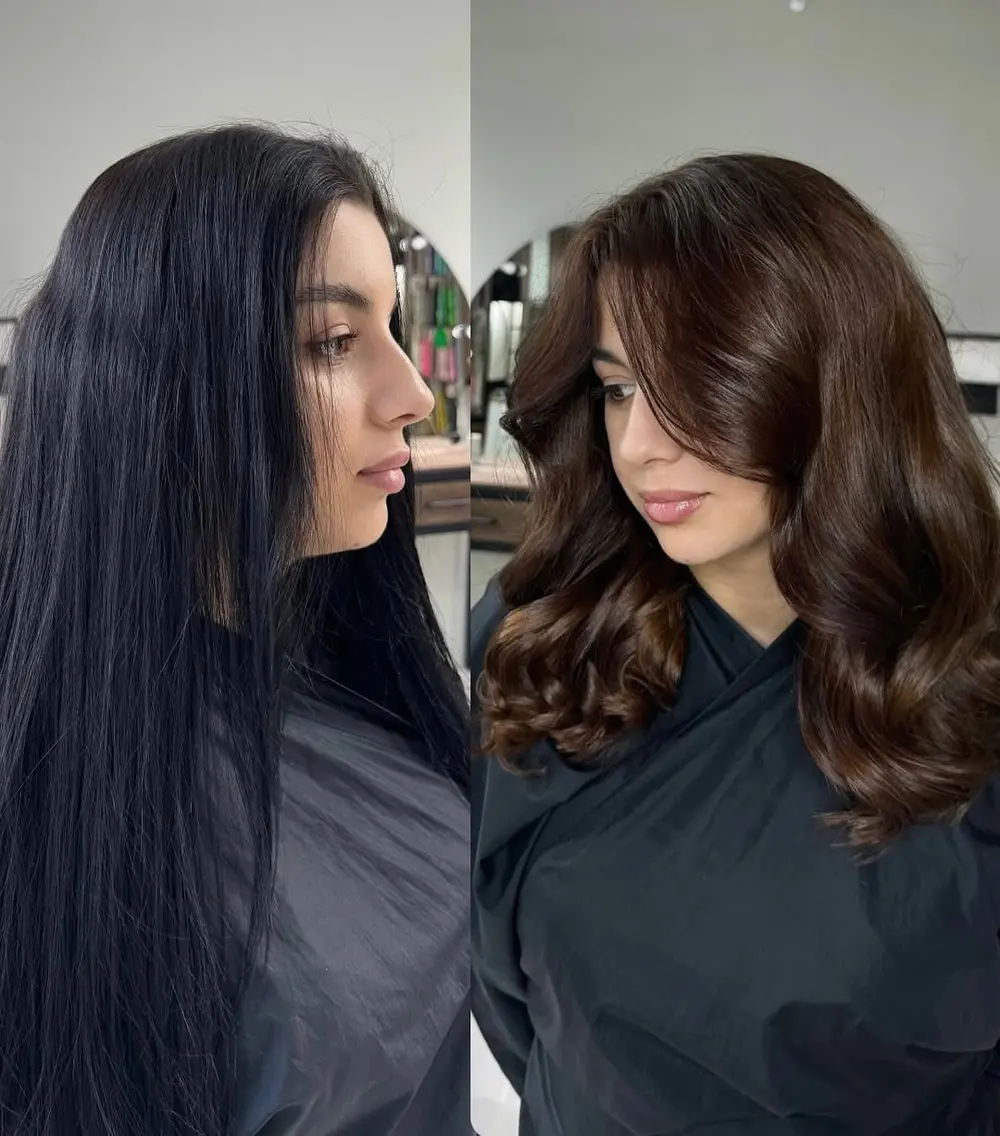
@madinka_hair
@volkisstudio
When browsing portfolios, pay attention to several things: does the stylist show real "before" photos (not just perfect "after" results), does hair look healthy after the procedure, are there examples of work similar to your case.
Going from black hair color is a process that requires patience, professional approach, and proper care. Don't rush, choose an experienced colorist, listen to their recommendations – and the result will make you happy. Beauty is worth the wait.
