Crane / japanese Tattoo — 7 Ideas
#CraneTattoo #JapaneseTattoo

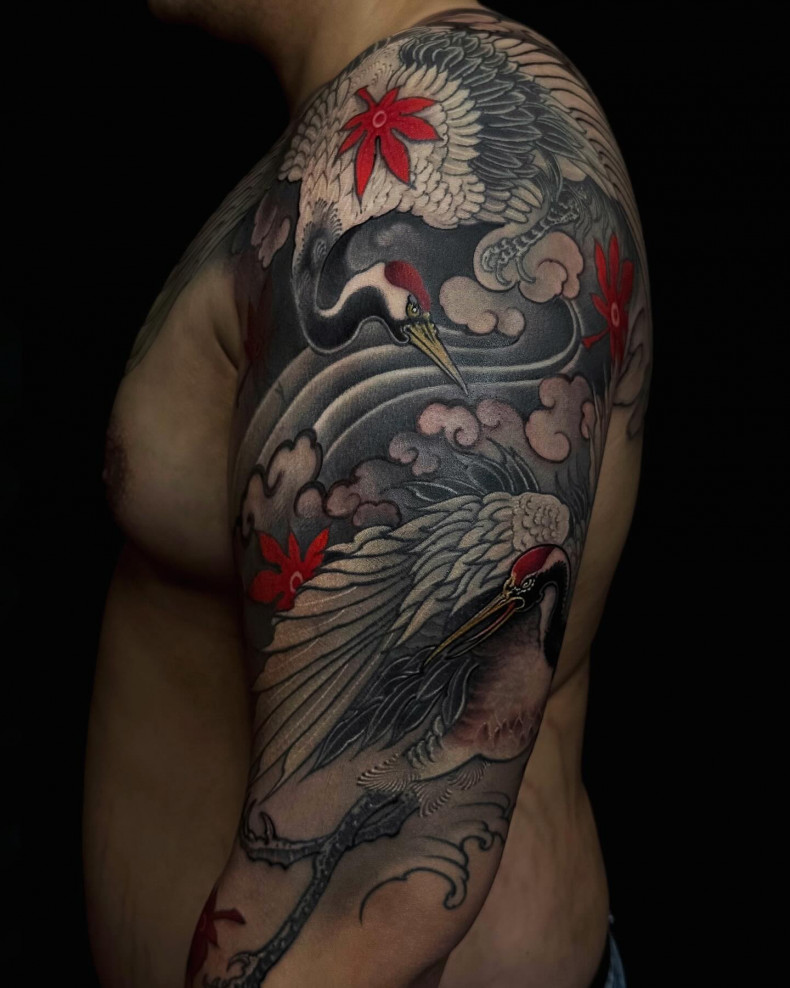
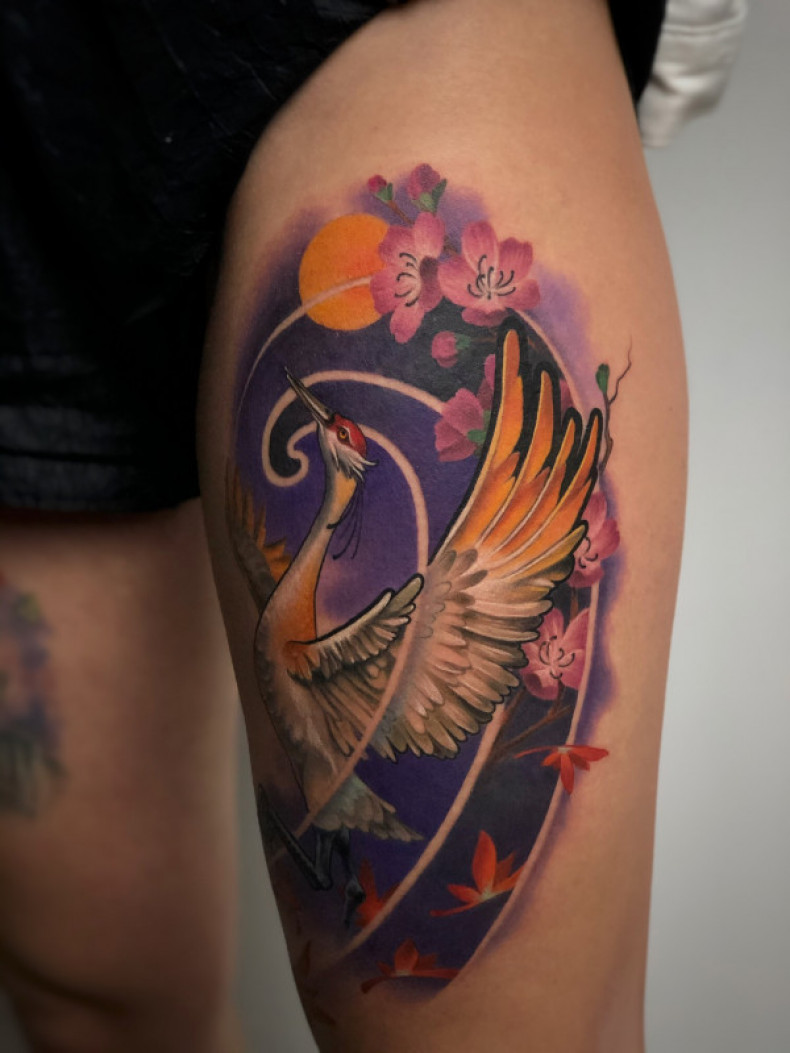
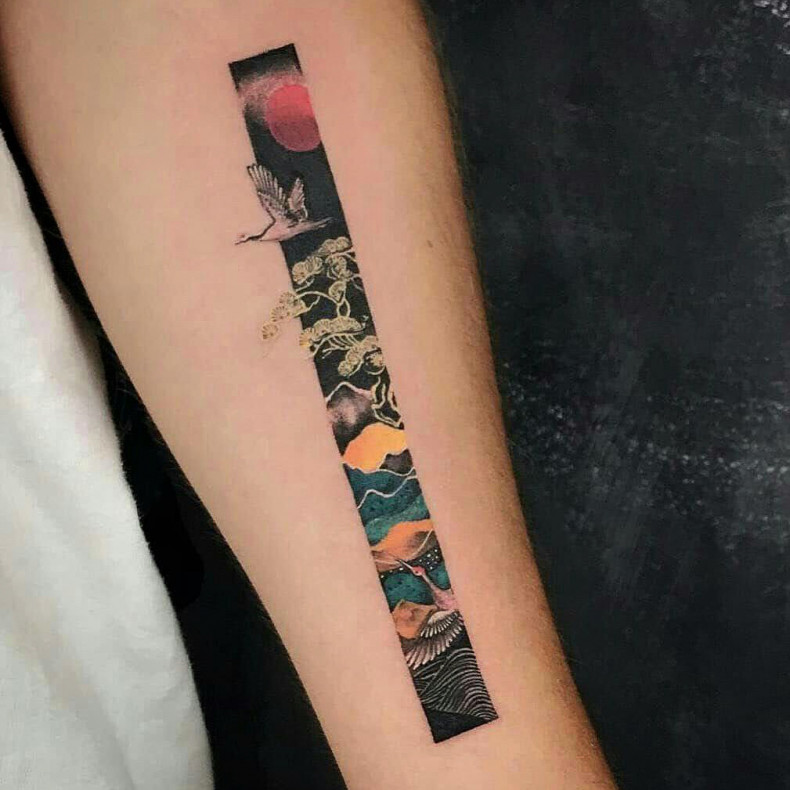
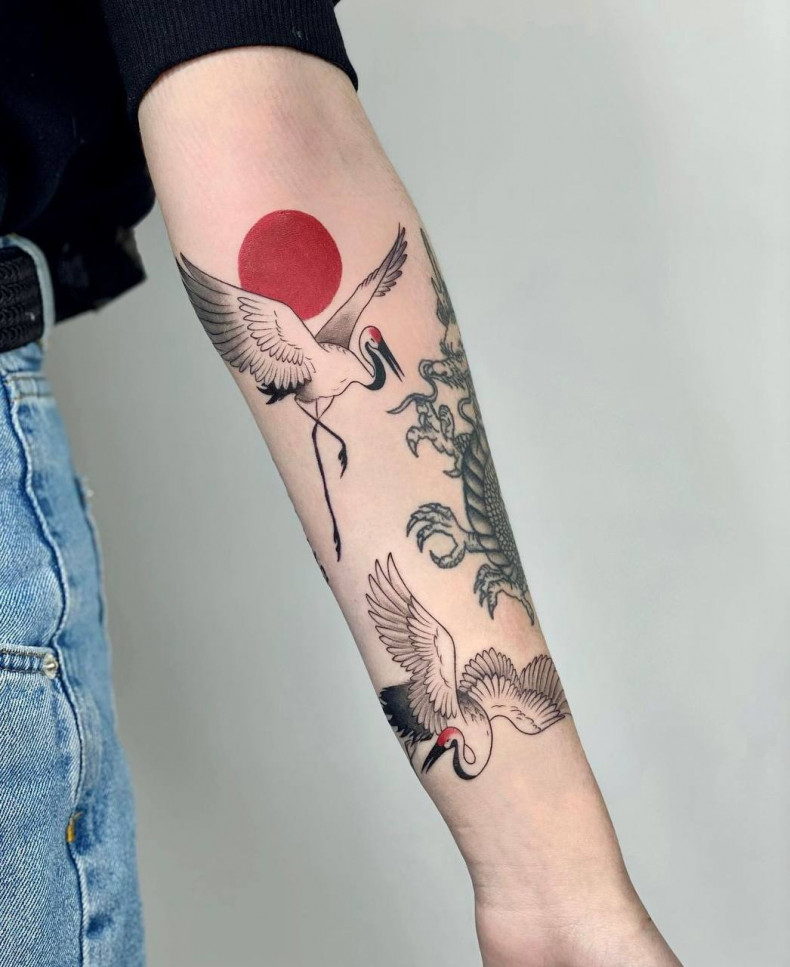
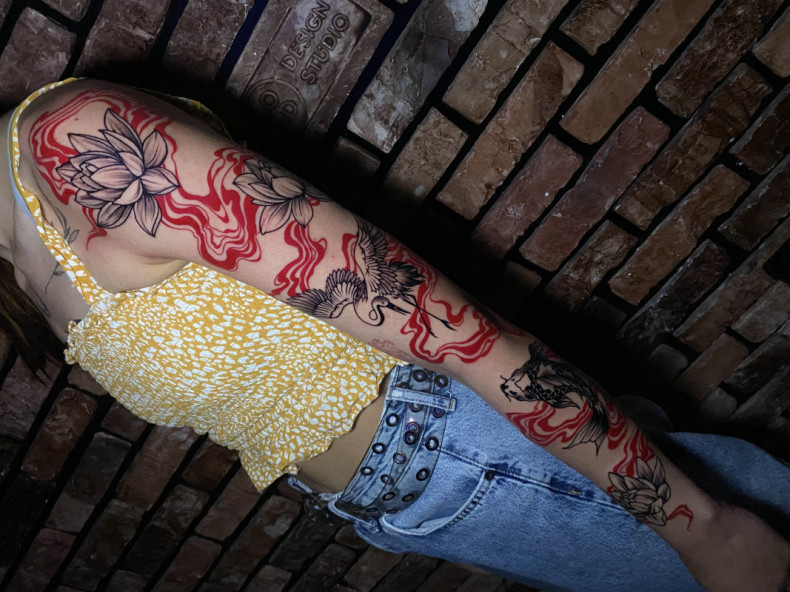
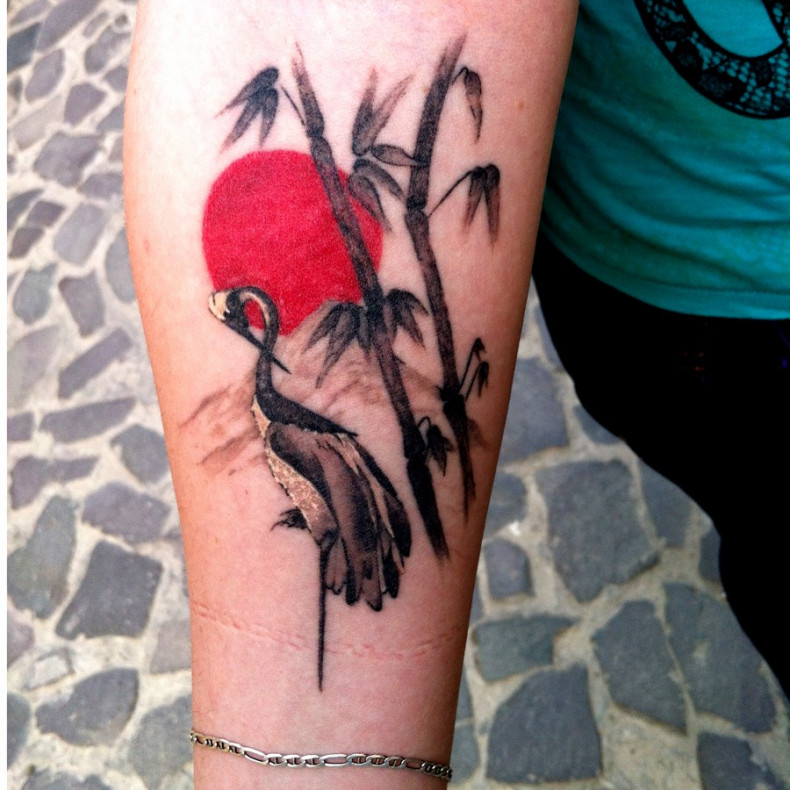
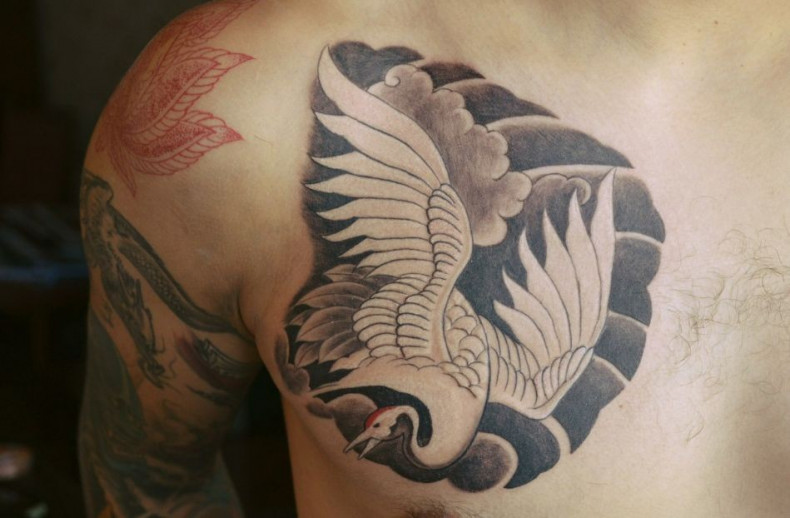
Crane tattoos, a rare and striking choice in the world of ink design, provide an eye-catching blend of elegance and symbolism. From delicate line work to intricate shading, these avian masterpieces offer tattoo enthusiasts an opportunity to make a statement that is as deeply personal as it is aesthetically pleasing. Delve into the exquisite photos below for a closer look at this incredible art form.
More
Crane tattoos, a rare and striking choice in the world of ink design, provide an eye-catching blend of elegance and symbolism. From delicate line work to intricate shading, these avian masterpieces offer tattoo enthusiasts an opportunity to make a statement that is as deeply personal as it is aesthetically pleasing. Delve into the exquisite photos below for a closer look at this incredible art form.
Mysterious Meanings Behind Crane Tattoos
In many cultures around the globe, cranes are seen as symbols of longevity due to their long lifespan. But beyond this well-known association lies other lesser-documented interpretations. For instance, in Celtic lore, cranes were considered messengers from the gods and held high regard by druids for their supposed magical abilities. In Japan's traditional Irezumi tattooing style practiced by esteemed artist Horiyoshi III, cranes are often placed in designs alongside clouds or water elements – symbolizing good fortune and purity respectively.
Ideas Worth Considering for Your Crane Tattoo
If you're considering gracing your skin with a crane tattoo but aren't sure where to start with your design concept here are some innovative ideas worth pondering:
- A single crane depicted mid-flight against a backdrop of cherry blossoms – capturing both fleeting beauty and enduring grace.
- Couple's tattoos featuring two cranes dancing - representing unity and mutual respect within relationships (a common theme in Korean folktales).
- An abstract interpretation using minimalist lines or geometric shapes which could be executed brilliantly by artists like Dr Woo or JonBoy.
- A fusion piece blending crane imagery with other meaningful icons such as dreamcatchers or mandalas creating something truly one-of-a-kind on your skin canvas.
For inspiration check out #Cranetattoo on Instagram which showcases a variety of styles techniques and interpretations.
In conclusion, crane tattoos offer an elegant way to incorporate deep cultural symbolism into your body art. Whether you're drawn to the longevity, purity or unity they symbolize, these designs can serve as powerful personal reminders while also being visually striking pieces of art. Explore this distinctive tattoo option with an open mind and let the beauty of crane tattoos make its mark on you.
Japanese tattoo is a separate branch of tattooing. This genre is distinguished by a harmonious combination of unusual forms and plots that are closely related to Asian culture.
Tattoos in the traditional Japanese style can vary in size, but most often they are characterized by scale and the use not of a separate small image on the sleeve, but of a whole composition in which every detail is thought out. It is the ability to create a complete picture of the plot with external minimalism and the unique culture that make this style popular around the world.
History of Japanese tattoos
The Japanese tattoo - Irezumi, arose before our era, among the local people - Ainu. This nation, like many other communities at that time, had the custom of applying amulets tattoos to the skin. Their location is unusual - in addition to the standard areas, tattoos were also made on the hands and lips.
In addition to protection from spirits, these tattoos denoted a woman’s age and maturity and became widespread throughout Asia.
The ink was applied with a special tool - Tebori. It was a bamboo stick with a needle at the end. The ink itself was made from local vegetation and soot.
The modern Japanese style of tattooing developed in the 17th century. The combination of legends, mythology and animals in the plots becomes a hallmark of the genre to this day.
The popularity of tattoos continued until the Meizu era, when their image increasingly became associated with the local mafia - the Yakuza. And although in Japan after this tattoos became rare, the whole world picked up the ideas of Japanese tattoos and its cultural characteristics.
Main motives
The culture of Japan is unique and closely related to the local religion - Shintoism. This has inspired many masters, past and present. The symbolism is based on the characteristic flora and fauna (including from myths), spirits and demons from Shintoism.
Tattoo ideas and their meaning
Studying the culture, reading Japanese mythology, and familiarizing yourself with existing examples of work will help you decide on an image. The most common sketch ideas:
- dragon - courage and justice, which are combined with wisdom;
- carp – luck, the ability to overcome difficulties and achieve goals;
- tiger – strength, wisdom and uniqueness;
- fox - intelligence, caution, cunning and courtesy;
- phoenix – perseverance and the ability to deal with difficulties.
Typically, Japanese tattoos take up a lot of space, so they are most often located on the back, arms and chest. However, if desired, you can apply a small image on the shoulder, arm, leg or forearm. Japanese tattoos are often done in pairs.
Who is suitable for a Japanese style tattoo?
This style is best suited to those who appreciate scale and composition. Moreover, these tattoos are not only for men, and most of the subjects are also suitable for girls. Such tattoos are suitable for both fans of Asian culture and those who put their own meaning into the image. The main thing is to choose a suitable sketch, decide on the location and act.
Hide