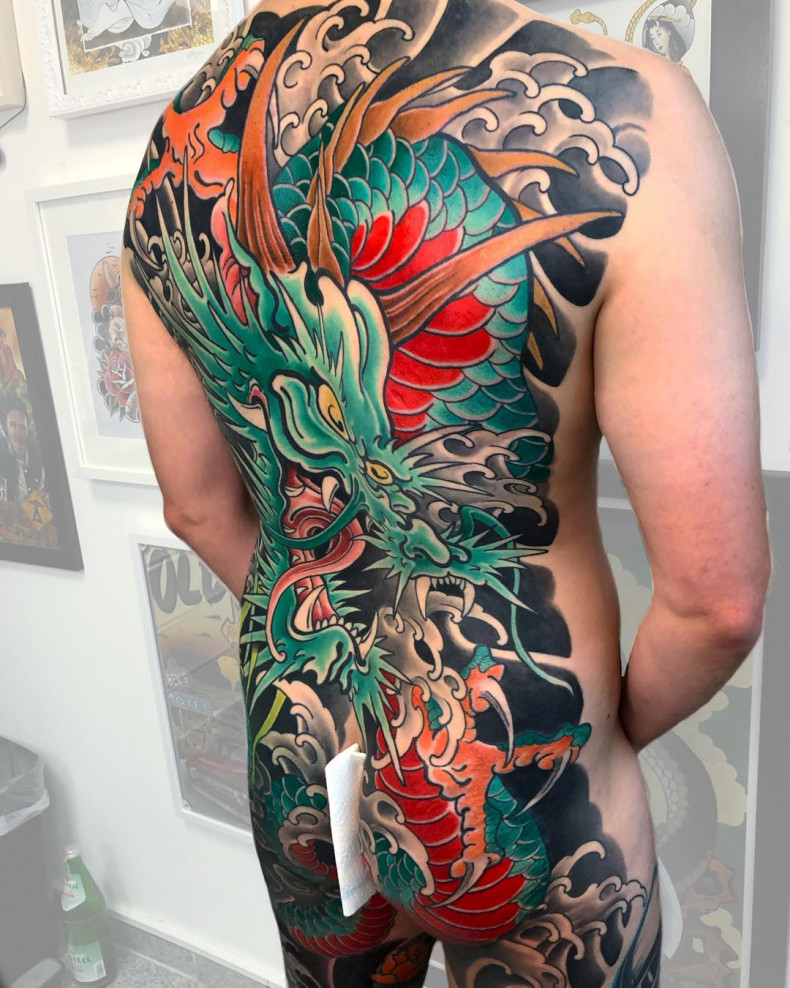
Yakuza / dragon Tattoo — 11 Ideas
#YakuzaTattoo #DragonTattoo

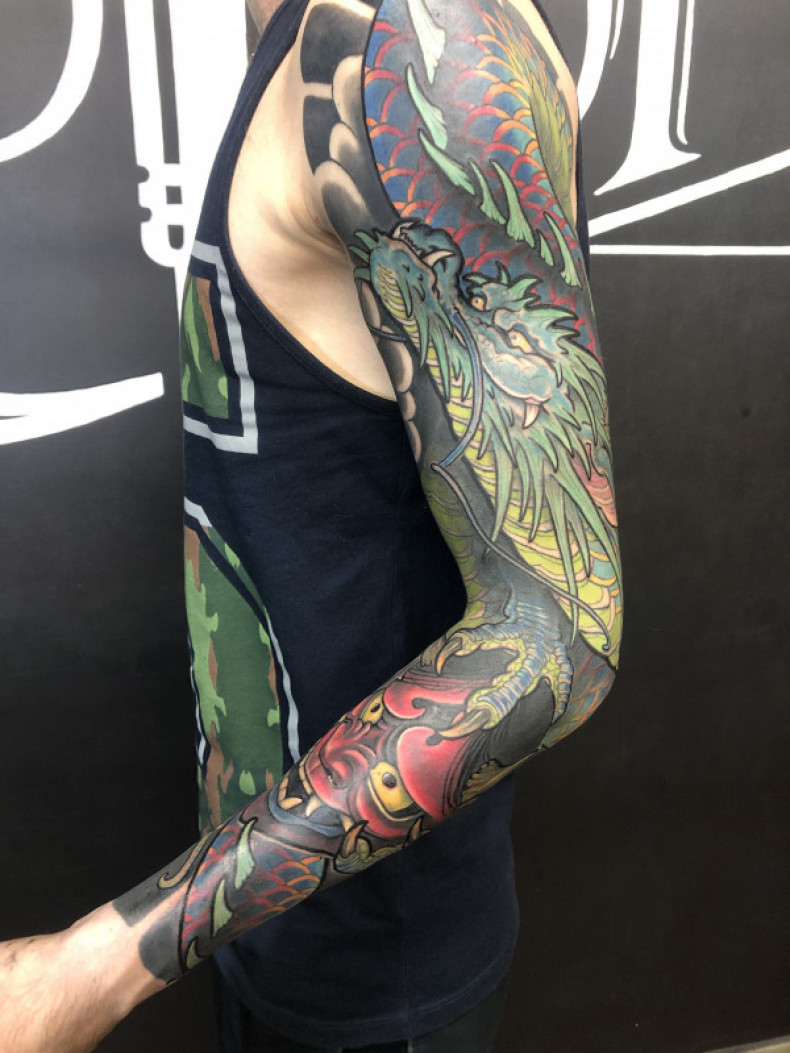
Yakuza tattoos have a mesmerizing story to tell. Rooted deep in the history of Japan, these intricate body art designs are steeped in symbolism and cultural significance. They're not simply aesthetic choices but canvases narrating tales from Japanese folklore, societal norms, or personal beliefs. Dive into the world of yakuza tattoos and explore our impressive gallery below.
More
Yakuza tattoos have a mesmerizing story to tell. Rooted deep in the history of Japan, these intricate body art designs are steeped in symbolism and cultural significance. They're not simply aesthetic choices but canvases narrating tales from Japanese folklore, societal norms, or personal beliefs. Dive into the world of yakuza tattoos and explore our impressive gallery below.
Yakuza Tattoo Meanings
The Yakuza tattoos or Irezumi are steeped in tradition dating back to 10,000 BC during Japan's Jomon period. They have always been about more than just aesthetics – they serve as an emblem for one’s life story and societal status. One lesser-known meaning is related to mythical creatures like Koi fish which symbolizes determination due to its struggle upstream while dragons represent wisdom and strength. Cherry blossoms often feature prominently signifying how fleeting life can be as they bloom beautifully but fall shortly after - similar to a Yakuza's existence on the edge.
Irezumi Ideas Worth Considering
If you're drawn towards this form of body art but want something distinctive yet respectful of its origins, consider these innovative ideas:
- A Samurai battling Nue (a legendary creature known for bringing misfortune) can signify your personal fight against adversity.
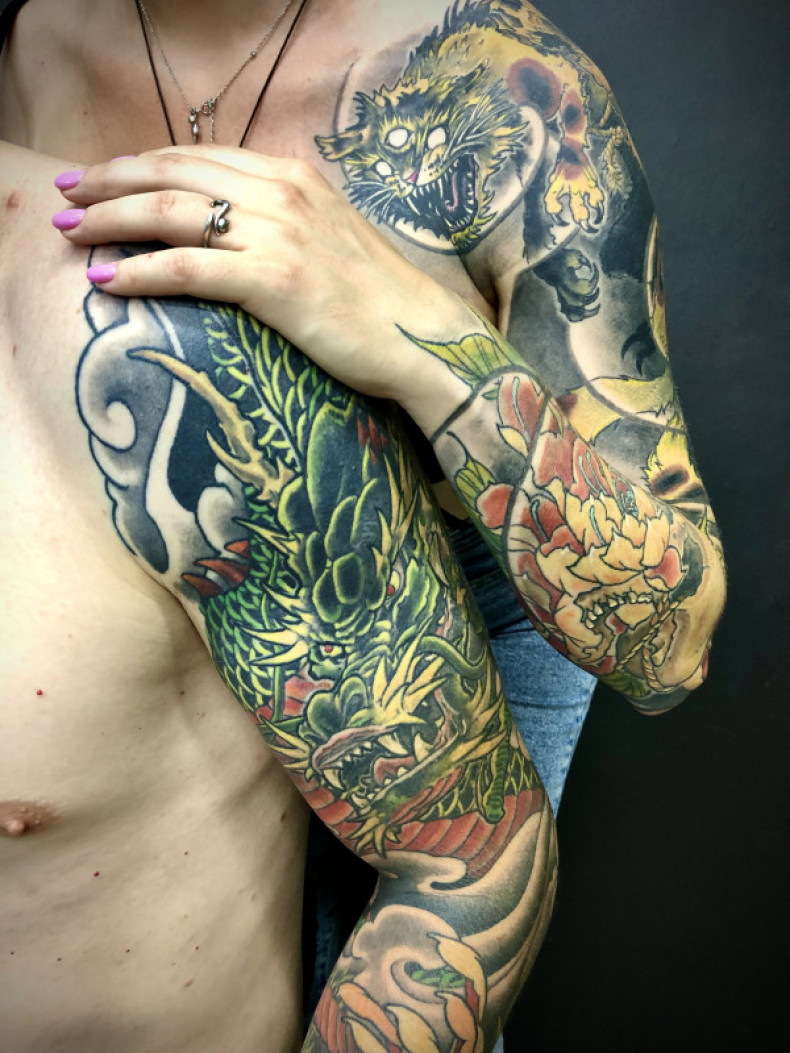
- Incorporate Tengu (an infamous demon known for causing war) with peony flowers (representing wealth), portraying balance between conflict and prosperity.
- A depiction of Bakeneko (a supernatural cat believed to bring good fortune) surrounded by maple leaves could showcase your love for nature combined with luck.
However it's critical that before getting any Irezumi inspired piece done; research thoroughly about their cultural significance instead of solely relying on aesthetic appeal because each tattoo has deep-seated traditional value attached to it.
In conclusion, Yakuza tattoos are a captivating blend of artistry and narrative. They offer an immersive insight into the cultural fabric of Japanese society, reflecting tales of valor, struggle, and honor. These tattoo designs carry with them a unique allure that transcends beyond mere body adornment. As you browse through these images, remember that each one holds within it a story waiting to be told.
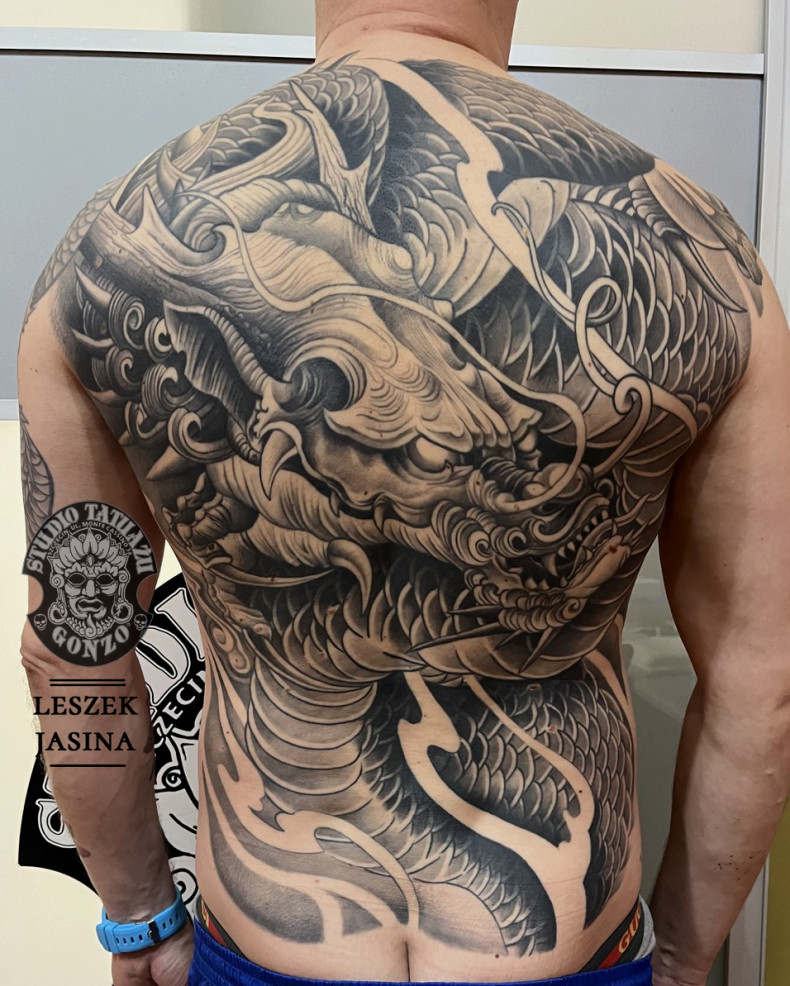
The dragon is one of the most popular images chosen as a body tattoo. It was stuffed on the body in ancient times as not only decoration, but also a talisman.
The meaning of the dragon tattoo
The mythical creature personifies power, strength, authoritarianism and wisdom. In the East, the dragon embodied the unity of the four elements; in Japan and China it was a symbol of belonging to the imperial family.
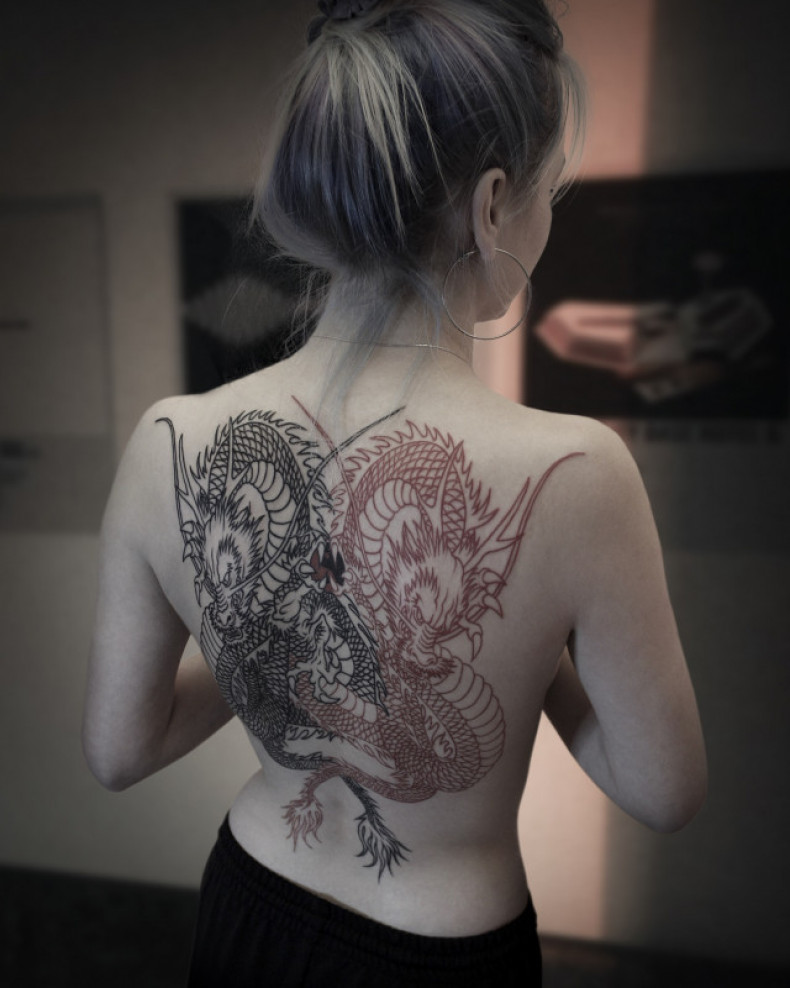
For a man, such a tattoo is an expression of his powerful and strong character, for a woman - will, wisdom and passion.
Among Japanese women, such a tattoo is also considered a love talisman - especially if the dragon is depicted in red shades.
Interesting fact: in the “zone” the image of this creature in flight over the castle meant imprisonment for theft of state property.
Dragon tattoo design ideas
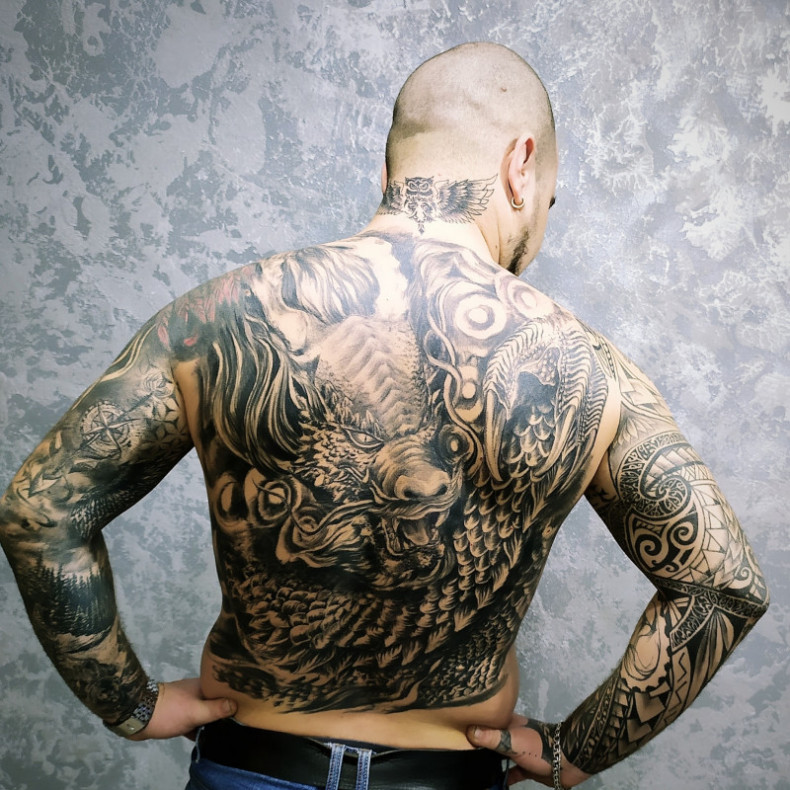
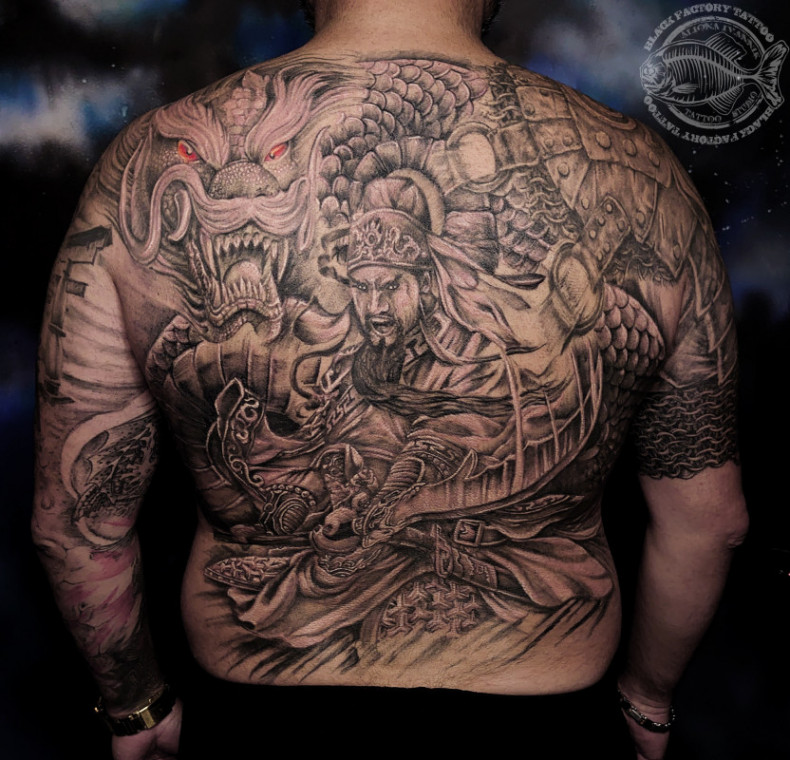
The drawing is depicted in various sizes and techniques, but it looks most impressive on a large scale. In black and white, the sketch is often done in the tribal style, less often in black&gray.
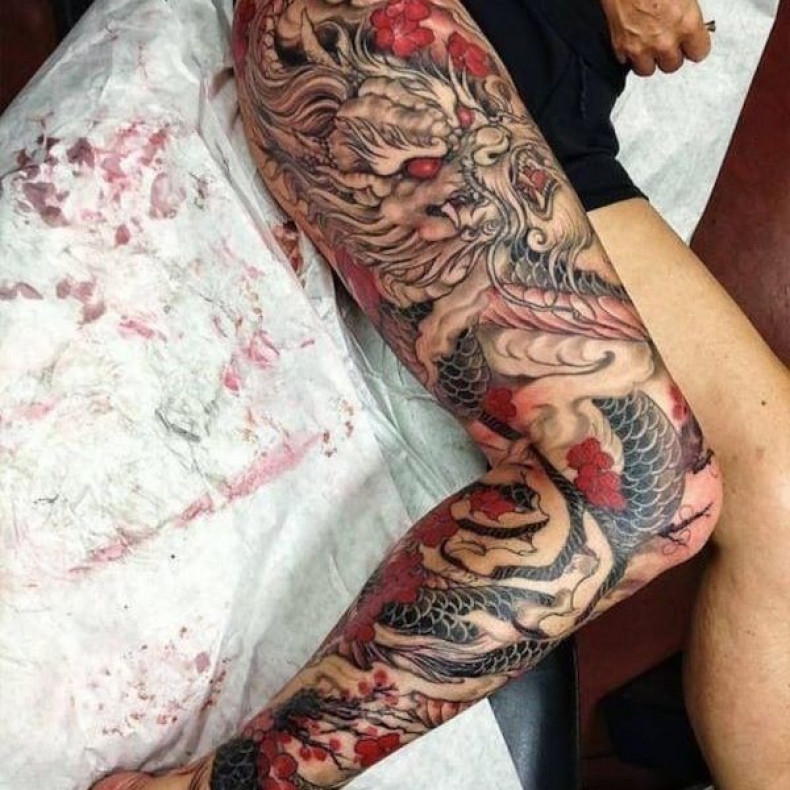
On a colored tattoo, a dragon is depicted in the following styles:
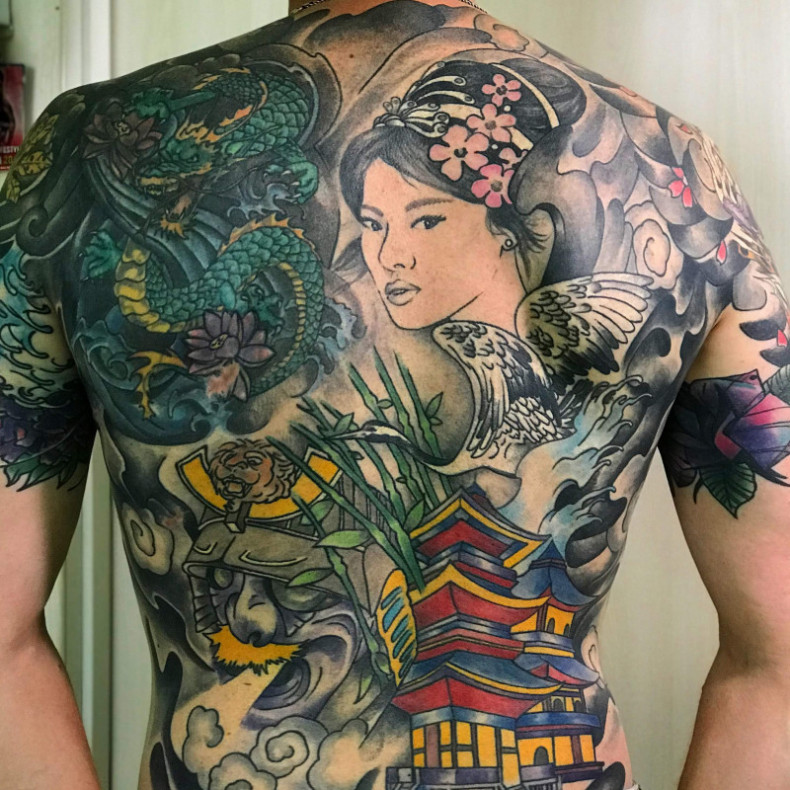
- Japanese (mostly a large pattern on the entire back, shoulder or chest);
- watercolor (a good option for a sketch with a dragon in flames);
- new school (mostly images of cartoon characters).
Tattoos are applied to the shoulders, back, chest, female hips, and are often displayed on the “sleeves”.
Hide